The Gale family is an interesting one. Things seem to work in their favour more often than not, you could even call them special... Or witches, same difference.
Alysha Gale is a 24-year-old who, after losing her job, is forced to move back home with her extended family. Her family is large and in each others business and runs on something of a coven-like structure. The women rule the roost, and power increases with age. Things are normal, if depressing for Alysha, until the day when she receives a letter from her eccentric grandmother, stating that if she is reading this letter, her grandmother is dead. This is concerning news because it takes a lot to kill a Gale woman, and if you attack one you attack them all. Her grandmother's letter instructs her to go across the country to manage a store she was running there, and to settle any affairs she had outstanding. When she makes her way to her grandmother's store, she finds that the store is not as ordinary as your normal junk shop may be, nor are its patrons, and not is the town. On top of the everyday weirdness, she discovers that a sorcerer (not a friend to witches) has sent his apprentice to keep an eye on Alysha to make sure she doesn't interfere with his... plans. There's a big threat coming to town, and if the sorcerer's afraid, it's definitely something powerful and not good. What will Alysha do about the apparent danger in the city, not to mention some... interesting characters she comes across.
I enjoyed this novel, though it took a while to get off the ground. The author sort of just throws the reader into the culture of this family without really taking time to explain the rules or behaviours. In a way it's interesting because that is how a stranger would approach a culture like that, learning bit by bit along the way. On the negative side however, a more effort is spent at the beginning of the book guessing at what's happening and trying to figure out just who this family is and what they are than your average book requires. This writing technique also subliminally adds to the clannish nature of the family and the difficulty one would have actually getting to know them as an outsider. That said, once you are introduced, the family culture it is pretty intricate and fun. I liked Alysha as a main character. She was lost and unsure of who she was or where she was going pretty much throughout the entire book, but despite that, she always took challenges head on and ultimately had the spirit of a leader and a fighter. That spirit grew stronger as the novel progressed. There was good character development throughout the book. Most of the main characters and even some of the minor characters showed various levels of growth over the span of the story. Both the plot as well as the character development were well thought out and provide the reader with a lot to pay attention to. She also has a lot of fun with the dialogue, letting her characters be both bitingly sarcastic and comfortable with some puns, which can be fun in moderation. Overall this was probably not the best contemporary fantasy I have ever read nor the most gripping, but it is a fun read with interesting characters and an engaging plot.
The author is Canadian and the story takes place in various Canadian cities, so there is a bit of Canadiana that the author plays around with throughout the story, so if you know something about Canadian culture you'll be slightly entertained or annoyed, but if you don't then you might be slightly confused at times. A disclaimer for younger readers is that there is suggested sexual content. There are no explicit scenes but there is plenty of suggestion, and sex is linked to how the witches manage their power and how the family dynamic works. It's a good in between books book.
Showing posts with label travel. Show all posts
Saturday, 14 September 2013
The Enchantment Emporium by Tanya Huff
Labels:
book,
calgary,
canadian,
charms,
contemporary fantasy,
dragon,
female protagonist,
gale,
girl power,
huff,
magic,
sex,
sorcerer,
strong heroine,
tanya,
toronto,
travel,
witch
Tuesday, 30 July 2013
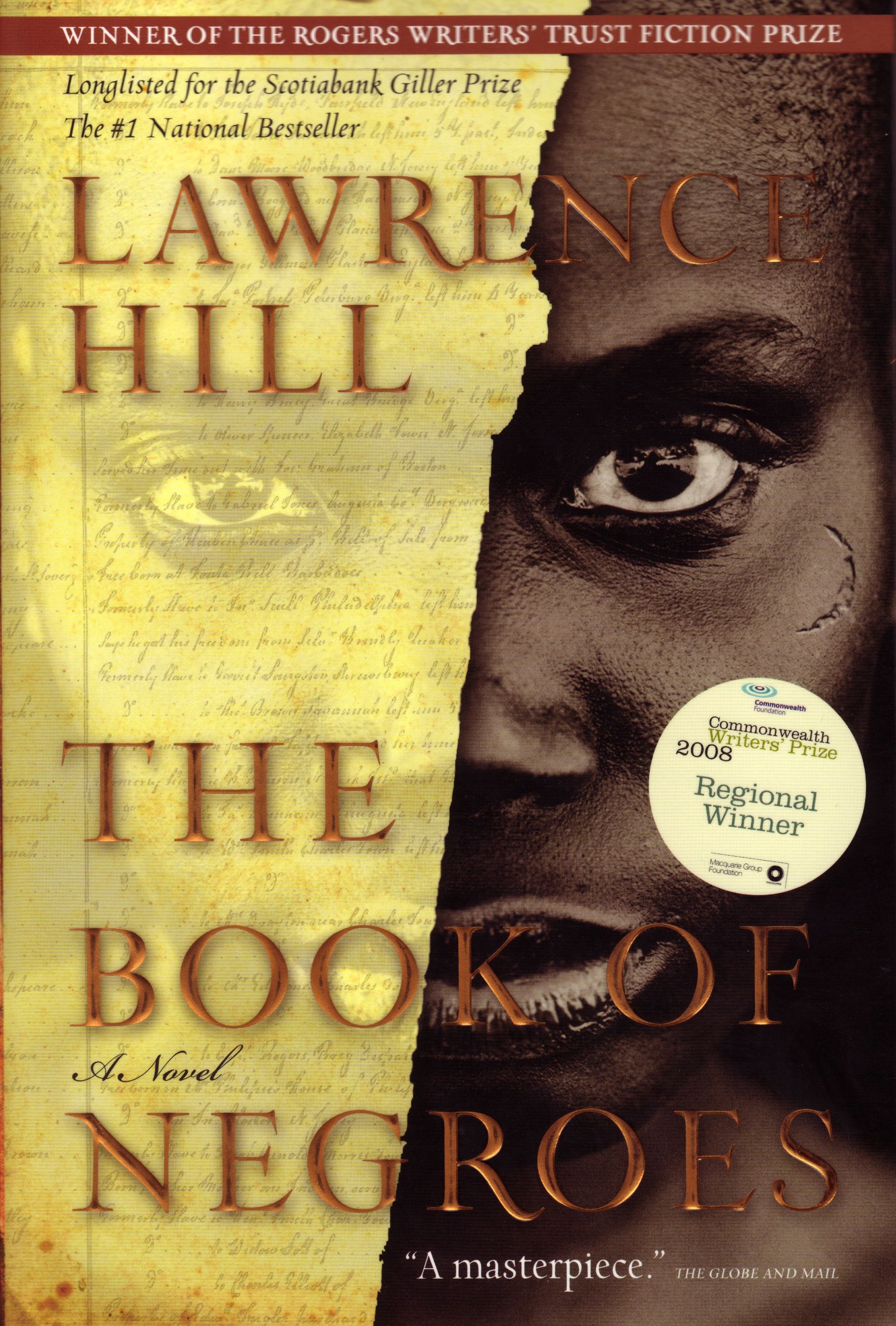
The Book of Negroes by Lawrence Hill
This was a very engaging story about the slave trade circa the 1800's, told by a woman from Africa named Aminata.
The story begins when Animata is a young girl living with her parents in an African village called Bayo. From a young age, Aminata has learned from and helped her mother in midwifery, and it was on one of these journeys to help her mother deliver a new baby that they are set upon by slave traders. Her mother is killed in the conflict, but Aminata and the village slave (who had accompanied them for protection) are captured and yoked in line with a several other captives. After a gruelling three-month journey to the coast, they are put on a slave ship. Aminata's mother was from another village before she married, so was able to teach her daughter the language from her home town. This bilinguality, as well as the fact that she was able to serve as a midwife, earned Aminata some distinction with the ship's captain. For a time she was spared some of the horrors found below deck, that's not to say she did not still witness horrifying things.
When the boat lands, Aminata is auctioned off to an indigo grower in the southern US. Here she meets several people who teach her various things, including the very scandalous act of reading. She also reconnects with a boy who she had met during her capture and eventually marries and has a child with him, but both she and her child are sold to different owners once the plantation owner learns of the child's birth. Animata is then sold to a Jewish indigo inspector who greatly advances her reading ability and uses her to keep his books, all the while using her previous skills to get her by. She eventually ends up going to various other locals, gains her freedom, and constantly seeks to reconnect with her loved ones, further establish her independence. Meanwhile, she must constantly battle oppression, racism, poverty, and heartache.
What I really enjoyed about this novel was its attempt at telling the story it had to tell without demonizing anyone, and all around sparing the reader of a pity party. That is not to say that the events in the novel were trivialized or excused, but rather that the heroine never took the time to whine about her situation, she just kept pushing forward. At one point she even states that she's not an emotional person and I think that helped with the authenticity of the storytelling. It was more as though she was bearing witness, but she was still very present in the storytelling process. The author made a point to not paint a black and white (so to speak) picture of the situation. Aminata and her family were muslim, which varies from the rest of her village, and from what the average reader would expect. This also hints at a previous cultural interaction and exchange. The idea of racism and slavery is also blurred a bit. In Aminata's village, there a village slave who plays a small role in the book, which also speaks to the fact that slavery was not invented with the black slave trade and that slavery in fact may have existed within Africa by the very people who later became slaves themselves. Also, when Aminata becomes a slave of the Jewish man, and even how the slaves born in America view the African-born slaves complicates the idea of discrimination in the book.
Aminata was a very strong heroine. Even though she was faced with extreme hardship and faced countless struggles, she not only never gave into despair, she proactively used her skills and intelligence to survive and progress. She gave herself purpose and constantly strove to better her situation.
The story begins when Animata is a young girl living with her parents in an African village called Bayo. From a young age, Aminata has learned from and helped her mother in midwifery, and it was on one of these journeys to help her mother deliver a new baby that they are set upon by slave traders. Her mother is killed in the conflict, but Aminata and the village slave (who had accompanied them for protection) are captured and yoked in line with a several other captives. After a gruelling three-month journey to the coast, they are put on a slave ship. Aminata's mother was from another village before she married, so was able to teach her daughter the language from her home town. This bilinguality, as well as the fact that she was able to serve as a midwife, earned Aminata some distinction with the ship's captain. For a time she was spared some of the horrors found below deck, that's not to say she did not still witness horrifying things.
When the boat lands, Aminata is auctioned off to an indigo grower in the southern US. Here she meets several people who teach her various things, including the very scandalous act of reading. She also reconnects with a boy who she had met during her capture and eventually marries and has a child with him, but both she and her child are sold to different owners once the plantation owner learns of the child's birth. Animata is then sold to a Jewish indigo inspector who greatly advances her reading ability and uses her to keep his books, all the while using her previous skills to get her by. She eventually ends up going to various other locals, gains her freedom, and constantly seeks to reconnect with her loved ones, further establish her independence. Meanwhile, she must constantly battle oppression, racism, poverty, and heartache.
What I really enjoyed about this novel was its attempt at telling the story it had to tell without demonizing anyone, and all around sparing the reader of a pity party. That is not to say that the events in the novel were trivialized or excused, but rather that the heroine never took the time to whine about her situation, she just kept pushing forward. At one point she even states that she's not an emotional person and I think that helped with the authenticity of the storytelling. It was more as though she was bearing witness, but she was still very present in the storytelling process. The author made a point to not paint a black and white (so to speak) picture of the situation. Aminata and her family were muslim, which varies from the rest of her village, and from what the average reader would expect. This also hints at a previous cultural interaction and exchange. The idea of racism and slavery is also blurred a bit. In Aminata's village, there a village slave who plays a small role in the book, which also speaks to the fact that slavery was not invented with the black slave trade and that slavery in fact may have existed within Africa by the very people who later became slaves themselves. Also, when Aminata becomes a slave of the Jewish man, and even how the slaves born in America view the African-born slaves complicates the idea of discrimination in the book.
Aminata was a very strong heroine. Even though she was faced with extreme hardship and faced countless struggles, she not only never gave into despair, she proactively used her skills and intelligence to survive and progress. She gave herself purpose and constantly strove to better her situation.
Monday, 13 August 2012
The Brave Little Toaster (1987)
This is the story about several house hold appliances that come to life (have always been 'alive') and decide to journey to find their master.
The story begins at an old cottage. At first it just seems like a regular, old cottage that hasn't been used for a while, but then we begin to see objects around the house come to life. A toaster, an electric blanket, and clock radio, a desk lamp, and a vacuum cleaner are the main appliances in the story. When they wake up they all go about their chores, stopping every time they hear a car coming, because they are constantly waiting for their master, a young boy, to come retrieve them and use them again. Well on one fateful day, they realize that the cottage is going to be put up for sale, and that they might never see their master again. Instead of just sitting to rot and waiting for their next masters to take possession of the cottage and them as well, the toaster convinces them to go off in search of their master. They travel through many forests and fields, and actually fall into a swamp at one point and are found by a man who repairs broken appliances. He takes them back to his shop, a scary place where appliances apparently go to die under torturous circumstances. Just as the radio is about to go, they create a diversion and make their escape and miraculously find their master's apartment in the city. When they get there though, the new furniture is jealous of the old furniture and tells them that their master doesn't need them anymore and throws them into a dumpster, and they are taken to a landfill. Little do they know, their master drove to the cottage to retrieve them, only to find them gone. When he returns home his old tv (friends with toaster and gang) direct the master to the dump, in hopes that he'd find toaster and bring the gang back. Things at the dump get a bit dangerous when a magnetic machine spots our appliance friends and tries to crush them. What will happen I wonder.
This is a great movie. And actually this is a terrifying movie. I can't believe I didn't notice the sheer terror this movie should have caused me when I first watched it, but kids are always stronger than we give them credit for.. and maybe it's adults who are more susceptible to fear, or knowledge of fear anyway. If you want to preview some of the scenes look up the clown scene, or the scene with the air conditioner. They're on YouTube. It's a really interesting movie to watch, and it has catchy songs too.
Another quality that is good about this movie is it really pushes the idea that you have to cherish and take care of the things you buy. So often we develop the mentality that everything is disposable, everything has an expiry date, and you don't need to care for what you have because if it breaks, you can buy another one just like it. Instead, if more people developed the habit of caring for and taking pride in what they own, we would waste less money on useless purchases and reduce our garbage.
An interesting scene in this movie takes place when Toaster and gang take a break from their journey in field and all of the animals and flowers start interacting with our friends, especially with the reflection they see in Toaster. There is one flower that sees it's reflection in Toaster and falls in love with it, but there's no flower there, and the reflection can't love it back, so the flower begins to wilt and die. It's a depressing part of the movie that doesn't immediately fit in. Of course it could symbolize the other side of the 'love your things' theme, where you can't actually love your things because they'll never love you back, because they're not alive. But it, like the whole movie, is really interesting in it's lack of fear to go to darker places, for a children's movie.
Each of the characters grow a lot in this movie, too (just keeps getting better and better, I know). Characters who begin afraid of everything find an inner strength, characters who don't show a lot of emotion really open up, etc. They all do their own part to complete their journey and make their own sacrifices to achieve a greater happiness.
I really recommend you watch this film. Okay, maybe not the most amazing children's film ever made, but a definite watch.
The story begins at an old cottage. At first it just seems like a regular, old cottage that hasn't been used for a while, but then we begin to see objects around the house come to life. A toaster, an electric blanket, and clock radio, a desk lamp, and a vacuum cleaner are the main appliances in the story. When they wake up they all go about their chores, stopping every time they hear a car coming, because they are constantly waiting for their master, a young boy, to come retrieve them and use them again. Well on one fateful day, they realize that the cottage is going to be put up for sale, and that they might never see their master again. Instead of just sitting to rot and waiting for their next masters to take possession of the cottage and them as well, the toaster convinces them to go off in search of their master. They travel through many forests and fields, and actually fall into a swamp at one point and are found by a man who repairs broken appliances. He takes them back to his shop, a scary place where appliances apparently go to die under torturous circumstances. Just as the radio is about to go, they create a diversion and make their escape and miraculously find their master's apartment in the city. When they get there though, the new furniture is jealous of the old furniture and tells them that their master doesn't need them anymore and throws them into a dumpster, and they are taken to a landfill. Little do they know, their master drove to the cottage to retrieve them, only to find them gone. When he returns home his old tv (friends with toaster and gang) direct the master to the dump, in hopes that he'd find toaster and bring the gang back. Things at the dump get a bit dangerous when a magnetic machine spots our appliance friends and tries to crush them. What will happen I wonder.
This is a great movie. And actually this is a terrifying movie. I can't believe I didn't notice the sheer terror this movie should have caused me when I first watched it, but kids are always stronger than we give them credit for.. and maybe it's adults who are more susceptible to fear, or knowledge of fear anyway. If you want to preview some of the scenes look up the clown scene, or the scene with the air conditioner. They're on YouTube. It's a really interesting movie to watch, and it has catchy songs too.
Another quality that is good about this movie is it really pushes the idea that you have to cherish and take care of the things you buy. So often we develop the mentality that everything is disposable, everything has an expiry date, and you don't need to care for what you have because if it breaks, you can buy another one just like it. Instead, if more people developed the habit of caring for and taking pride in what they own, we would waste less money on useless purchases and reduce our garbage.
An interesting scene in this movie takes place when Toaster and gang take a break from their journey in field and all of the animals and flowers start interacting with our friends, especially with the reflection they see in Toaster. There is one flower that sees it's reflection in Toaster and falls in love with it, but there's no flower there, and the reflection can't love it back, so the flower begins to wilt and die. It's a depressing part of the movie that doesn't immediately fit in. Of course it could symbolize the other side of the 'love your things' theme, where you can't actually love your things because they'll never love you back, because they're not alive. But it, like the whole movie, is really interesting in it's lack of fear to go to darker places, for a children's movie.
Each of the characters grow a lot in this movie, too (just keeps getting better and better, I know). Characters who begin afraid of everything find an inner strength, characters who don't show a lot of emotion really open up, etc. They all do their own part to complete their journey and make their own sacrifices to achieve a greater happiness.
I really recommend you watch this film. Okay, maybe not the most amazing children's film ever made, but a definite watch.
Labels:
blanket,
consumerism,
dsiney,
finding yourself,
kids,
lamp,
movie,
radio,
toaster,
travel,
vacuum
Wednesday, 30 December 2009
Sunday Chutney by Aaron Blabey
This is a fun book about a girl who's always the new girl. Her parents are always moving from place to place so she's been all over the world and has seen many things.. but as a result she doesn't have any friends and is always 'the new girl' in school. Despite this however, Sunday has a really bright outlook on life. Right after she says something depressing she bounces back with something funny or quirky. She has an amazing imagination and is not afraid to use it. For most of the book her imagination seems to make up for her lack of friends, but at the end she says that making friends is something she's good at and shows her with a group of girls.
This is a good book to give a kid who moves around a lot or one moving once to a new place. It voices the fears kids have in these situations, but is fun enough to almost side-step the unpleasant feelings associated with moving. She has a lot of interests and is really up beat. A fun book.
Labels:
book,
moving,
new kid,
optimistic,
picture books,
school,
travel
Thursday, 9 July 2009
The Glass Castle: A Memoir by Jeannette Walls
This book was really good, and either so well told or so different from my own experience that it's hard to believe as truth... but I got it in the biography section of the bookstore and it does say memoir right on the front, so I guess it must be so.
I really enjoyed the author's writing style. I read a bit of the introduction and bought it, she's a good storyteller. It's like she paints a coat of glaring reality.. or some such thing that makes the story so palpable, over the plot (which is fascinating enough on its own.
I thought this book did a great job of outlining the positives and negatives about people and situations. The parents were very interesting. They were learned people, more so than the average joe, and they taught their kids so many things and really stimulated them intellectually. They were inventive and artistic and let their kids be who they wanted to be and discover the world at their own pace. However, they were far from perfect. The mother had a very laiser faire attitude about raising the kids, though this could just be my personal bias as I was raised in a more stuctured household. When the kids are struggling with problems or when something isn't going right, she doesn't get too involved in their lives and either focuses on herself or brushes whatever it is off telling them to be stronger. So while her artistic hairbrainedness is wonderful and fun, it also backfires a bit. And I also didn't enjoy her relationship with her husband who lorded over her.
The husband was interesting because he was such a creative, inventive guy. When he put his mind to something he got a solution to whatever it was that fixed the problem (though to be fair kids can be easily pleased, especially without any prior world views to taint the perspectives their parents throw at them) and he was so intelligent and cared so much for his kids, but he was a drunk and used his intelligence poorly in inappropriate settings and he was somewhat pigheaded. Also, despite this intelligence he and his family coast along the bottom half of the economic scale.
I think they were both wonderful characters and would have loved to meet them in real life. I love their view on the world, if not so much the negative executions, and think they're both really metaphorical characters and really display how something can have both a good and bad side well. I think the mother says at one point -life has both tragedy and comedy, you should focus more on the comedy than the tragedy- or something like that. There's a good and bad to everything... though at some point this philosophy could lead to intentional blindness to certain aspects of a situation.
I really enjoyed the author's writing style. I read a bit of the introduction and bought it, she's a good storyteller. It's like she paints a coat of glaring reality.. or some such thing that makes the story so palpable, over the plot (which is fascinating enough on its own.
I thought this book did a great job of outlining the positives and negatives about people and situations. The parents were very interesting. They were learned people, more so than the average joe, and they taught their kids so many things and really stimulated them intellectually. They were inventive and artistic and let their kids be who they wanted to be and discover the world at their own pace. However, they were far from perfect. The mother had a very laiser faire attitude about raising the kids, though this could just be my personal bias as I was raised in a more stuctured household. When the kids are struggling with problems or when something isn't going right, she doesn't get too involved in their lives and either focuses on herself or brushes whatever it is off telling them to be stronger. So while her artistic hairbrainedness is wonderful and fun, it also backfires a bit. And I also didn't enjoy her relationship with her husband who lorded over her.
The husband was interesting because he was such a creative, inventive guy. When he put his mind to something he got a solution to whatever it was that fixed the problem (though to be fair kids can be easily pleased, especially without any prior world views to taint the perspectives their parents throw at them) and he was so intelligent and cared so much for his kids, but he was a drunk and used his intelligence poorly in inappropriate settings and he was somewhat pigheaded. Also, despite this intelligence he and his family coast along the bottom half of the economic scale.
I think they were both wonderful characters and would have loved to meet them in real life. I love their view on the world, if not so much the negative executions, and think they're both really metaphorical characters and really display how something can have both a good and bad side well. I think the mother says at one point -life has both tragedy and comedy, you should focus more on the comedy than the tragedy- or something like that. There's a good and bad to everything... though at some point this philosophy could lead to intentional blindness to certain aspects of a situation.
Labels:
book,
journalist,
memoir,
on the road,
parenting,
siblings,
travel
Subscribe to:
Posts (Atom)